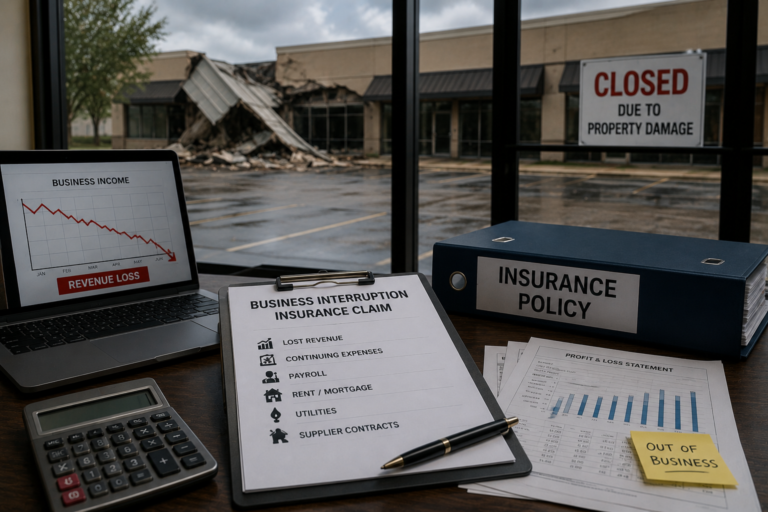
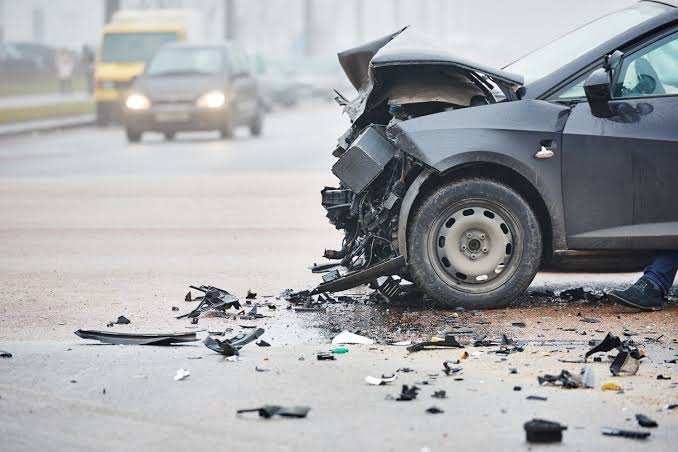
Colorado sits in the middle of one of the most active hail corridors in North America, and adds wildfire, wind, freeze and water losses on top. Big losses invite big arguments about scope, cause and depreciation.
The dispute is almost never about whether the storm happened. It is about how much of the building the storm actually touched, what it costs to put right, and how much of that the insurer gets to hold back.
The losses we see most
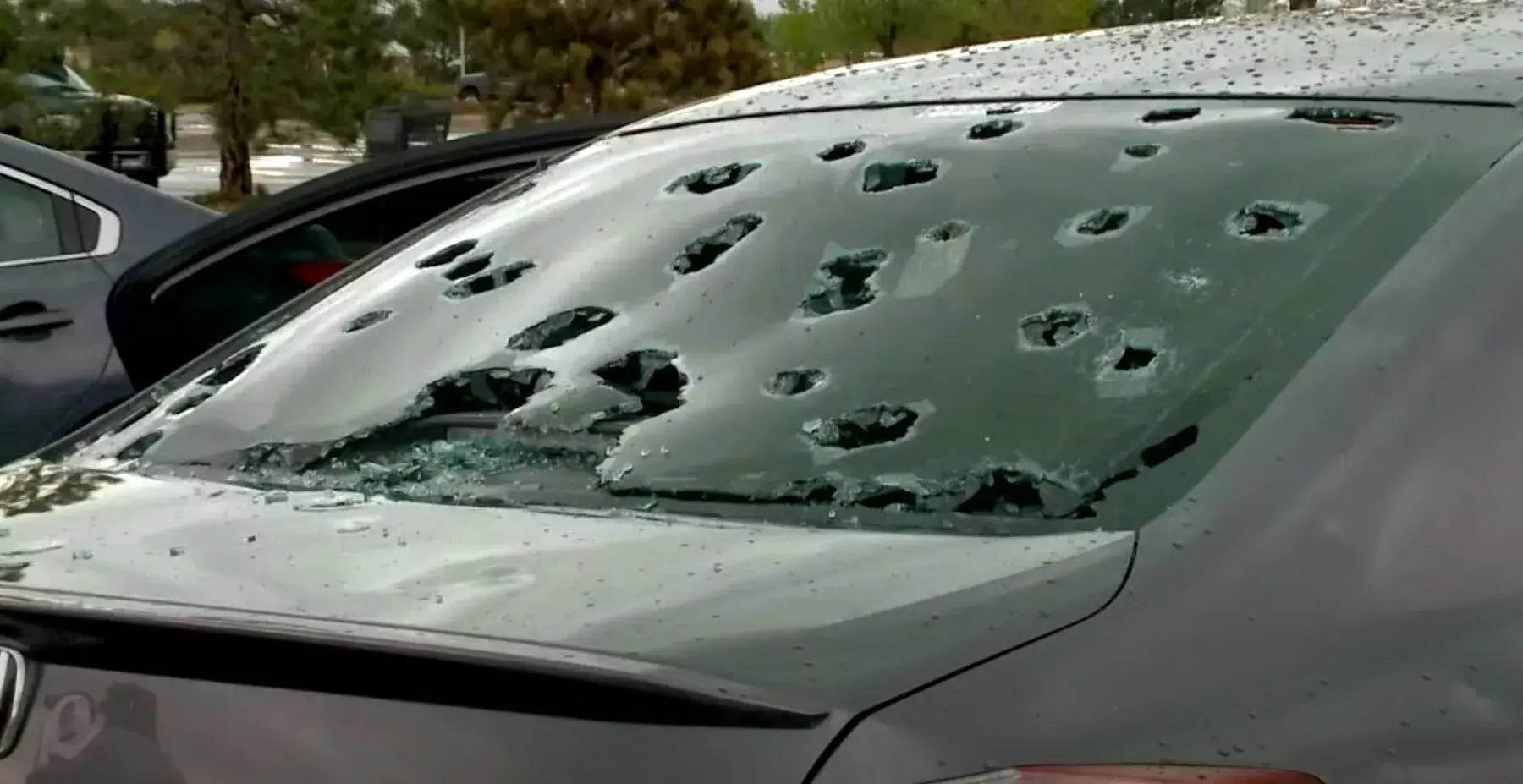
Hail and wind
Roofs, membranes, HVAC fins, gutters, cladding and
skylights. The fight is scope: whether the damage is functional or cosmetic, whether spot repair is
adequate, and whether matching provisions require replacement of undamaged adjacent material.
Fire and smoke
Cause and origin, contents valuation, and smoke
or odour damage in areas the flames never reached. Code upgrade coverage is often the largest single
line and the most frequently disputed.
Water and freeze
Burst pipes, roof leaks, sprinkler discharge and
the ensuing-loss question: an excluded cause that produces a covered consequence is frequently still
payable.
Collapse and structural
Snow load, hidden decay and defective
construction. Most forms cover collapse in defined circumstances, and the definition is where the case
is decided.
Replacement cost, actual cash value, and the holdback
Most commercial policies promise replacement cost but pay in two stages: actual cash value now, and the
recoverable depreciation once repairs are complete and documented. That structure is legitimate. What is
not always legitimate is how the depreciation is calculated.
Depreciating labour. Contested and, in many contexts, indefensible — labour does
not wear out over time in the way shingles do.
Depreciating code-required upgrades. If the ordinance or law coverage responds, the
upgrade is a new obligation triggered by the loss, not a worn asset.
Refusing to release holdback. Once repairs are done and invoiced, the recoverable
depreciation is owed. Delay here is a common statutory bad faith fact pattern.
Applying a deductible per building rather than per occurrence — or the reverse,
depending on which favours the carrier.
Matching, and why it is worth fighting about
When hail destroys the south slope of a roof and the same product is no longer made, is the insurer
obliged to replace the whole roof so it matches? Colorado's answer depends on the policy wording and on
whether the result would be a “reasonably uniform appearance.” The sums involved are large:
the difference between one slope and four is often the difference between a routine claim and a serious one.
Causation: the argument behind the argument
Insurers frequently attribute storm damage to pre-existing wear, installation defects, foot traffic or an
older uninsured event. Where a covered peril and an excluded cause combine, Colorado has historically
applied an efficient proximate cause analysis — asking which peril set the chain in motion —
although many modern forms attempt to override that with anti-concurrent-causation language. Whether that
language does what the insurer says it does is itself frequently litigated.
This is why we retain our own engineer or estimator rather than responding to the carrier's. A report
prepared to the same standard, addressing the same questions, removes the asymmetry that otherwise decides
these files.
Practical steps after a commercial loss
Make emergency repairs to prevent further damage — and photograph everything
before you do.
Do not discard removed materials. Damaged shingles and pipe sections are evidence.
Get the insurer's estimate in its native line-item format, not a summary page.
Watch the suit limitation clause. Two years from date of loss is common in
commercial property forms.
Think carefully before demanding appraisal — it resolves amount, not coverage.
Questions
Commercial Property Damage — frequently asked
“Cosmetic” is doing a lot of work in that sentence. Unless your policy contains a cosmetic damage exclusion — and many commercial forms do not — the question is whether the material was physically altered, not whether the alteration is visible from the ground. Bruised shingles with a shortened service life are damaged.
It is common practice and it is heavily contested. Our position, and that of a growing body of authority nationally, is that labour is not a depreciable asset. Whether it can be depreciated in your claim depends on the policy wording.
It pays the extra cost of complying with current building codes when you repair. On an older commercial building it can be the single largest element of the claim — and it is frequently sub-limited, so read the declarations page carefully.
Possibly not, but move now. Many commercial property policies contain a suit limitation clause of two years from the date of loss, which is shorter than the general contract limitation period. Send us the policy today rather than next month.
Related reading
Guides that go deeper
Property damage
Colorado hail and wind claims: the seven fights that decide the number
Nobody disputes that the storm happened. The money is decided by seven narrower arguments, and most policyholders never find out they were having six of them.
The appraisal clause, explained: when it helps and when it costs you the case
Appraisal is fast, cheap and binding. Those three qualities are exactly why demanding it without thinking can end a claim worth far more than the award.