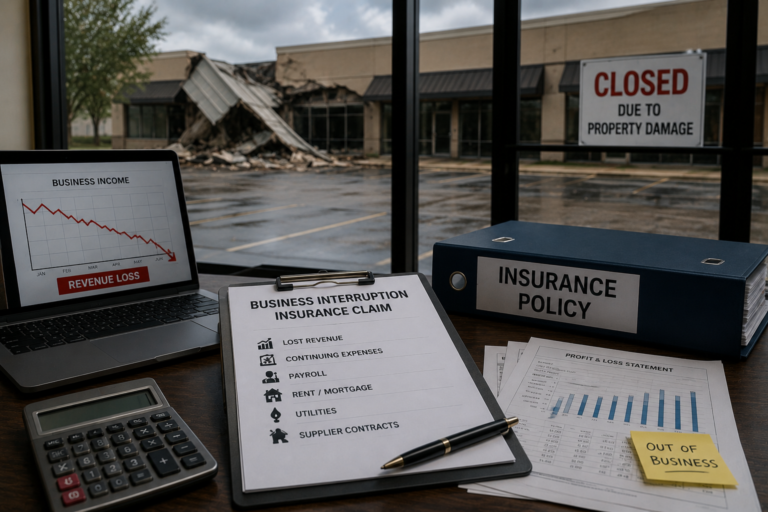

Contingency fee — you pay nothing unless we recover funds.

COLORADO COVERAGE LAWYERS INSURANCE COVERAGE & BAD FAITH TRIAL COUNSEL

Practice area 05

Policy review and coverage opinions

Before you file, before you sign anything, before you accept a number — find out what your own policy actually says. That reading costs you nothing.

Commercial policies run to a hundred pages or more, and the endorsements at the back routinely rewrite the promises at the front. Almost nobody reads the whole thing. We do, and we do it before you are committed to a position you cannot retreat from.

What a review involves

  1. Assembly. Declarations page, base form, every endorsement, and the schedule of locations and sub-limits. If you do not have the complete policy, we help you demand it — insurers must provide a certified copy on request.
  2. Mapping. We chart the coverage grants, then the exclusions that reduce them, then the exceptions that pull coverage back in. Coverage arguments are usually won or lost in that third layer.
  3. Conditions and deadlines. Notice provisions, protective safeguard warranties, the sworn proof of loss requirement, examinations under oath, and the suit limitation clause. Missing one of these can end a good claim.
  4. Sub-limits and the arithmetic. A $5m policy with a $100k sub-limit for the thing that actually happened is a $100k policy for your purposes. Better to know now.
  5. A conversation. We tell you what we see, what is arguable, what is not, and what we would do next in your position.

When to ask for one

Before you report a loss

Knowing which coverages respond shapes how the claim is presented. A first notice framed around the wrong section is hard to unwind.

After a reservation of rights

The insurer has told you it may deny. That letter is a roadmap to its intended defence — and it is worth reading against the policy before you respond.

Before signing a proof of loss

It is sworn. An understated figure signed early follows the file for years. Get the number built first.

At renewal

The cheapest time to fix a gap is before the loss. Reviewing exclusions and sub-limits against your actual operations is a small piece of work with a large payoff.

What we tend to find

  • An endorsement that deletes or materially rewrites the exclusion the adjuster is relying on
  • Coverage the policyholder did not know they had — extra expense, contingent business interruption, ordinance or law, debris removal, professional fees
  • A sub-limit or a protective safeguard warranty nobody had noticed
  • A suit limitation clause materially shorter than the statutory period
  • Two policies that both respond, where the other-insurance clauses decide who pays first

What you need to send

The declarations page, the complete policy including endorsements, and any letters or estimates the insurer has issued. If you only have the declarations page, send that — the rest is obtainable.

Written coverage opinions

For businesses that need something to give a board, a lender, a landlord or a broker, we prepare a formal written coverage opinion: the question presented, the relevant policy language quoted in full, the applicable Colorado authority, and a reasoned conclusion with its uncertainties stated honestly. That is a billed piece of work rather than part of the free review, and we will tell you upfront whether it is worth commissioning.

Questions

Policy Review & Coverage Opinions — frequently asked

Yes. We read the policy and tell you what we think. If there is nothing there, we say so and that is the end of it. We take on files we believe in, on contingency, which means our incentive is to be accurate rather than encouraging.

Send it. The declarations tell us the forms and endorsement numbers, and we can request the complete certified policy from the insurer. You are entitled to it and they must provide it.

For a straightforward commercial property policy, a few business days. Complex programmes with multiple layers, or claims already in litigation, take longer. If you are against a deadline, tell us in your first message and we will prioritise accordingly.

Yes, and it is the most useful time to do it. Reviewing exclusions and sub-limits against your actual operations at renewal is far cheaper than discovering a gap after a loss.

Related reading

Guides that go deeper

An abstract structure representing the appraisal process between two parties and an umpire
Claim process

The appraisal clause, explained: when it helps and when it costs you the case

Appraisal is fast, cheap and binding. Those three qualities are exactly why demanding it without thinking can end a claim worth far more than the award.

Read the guide

A government order document beside mountains, illustrating civil authority coverage
Business income

Civil authority coverage in Colorado: when a government order triggers your business income policy

A government order closed you down and the damage was to someone else's property. That is the exact scenario civil authority coverage was written for — and the exact scenario insurers fight hardest.

Read the guide
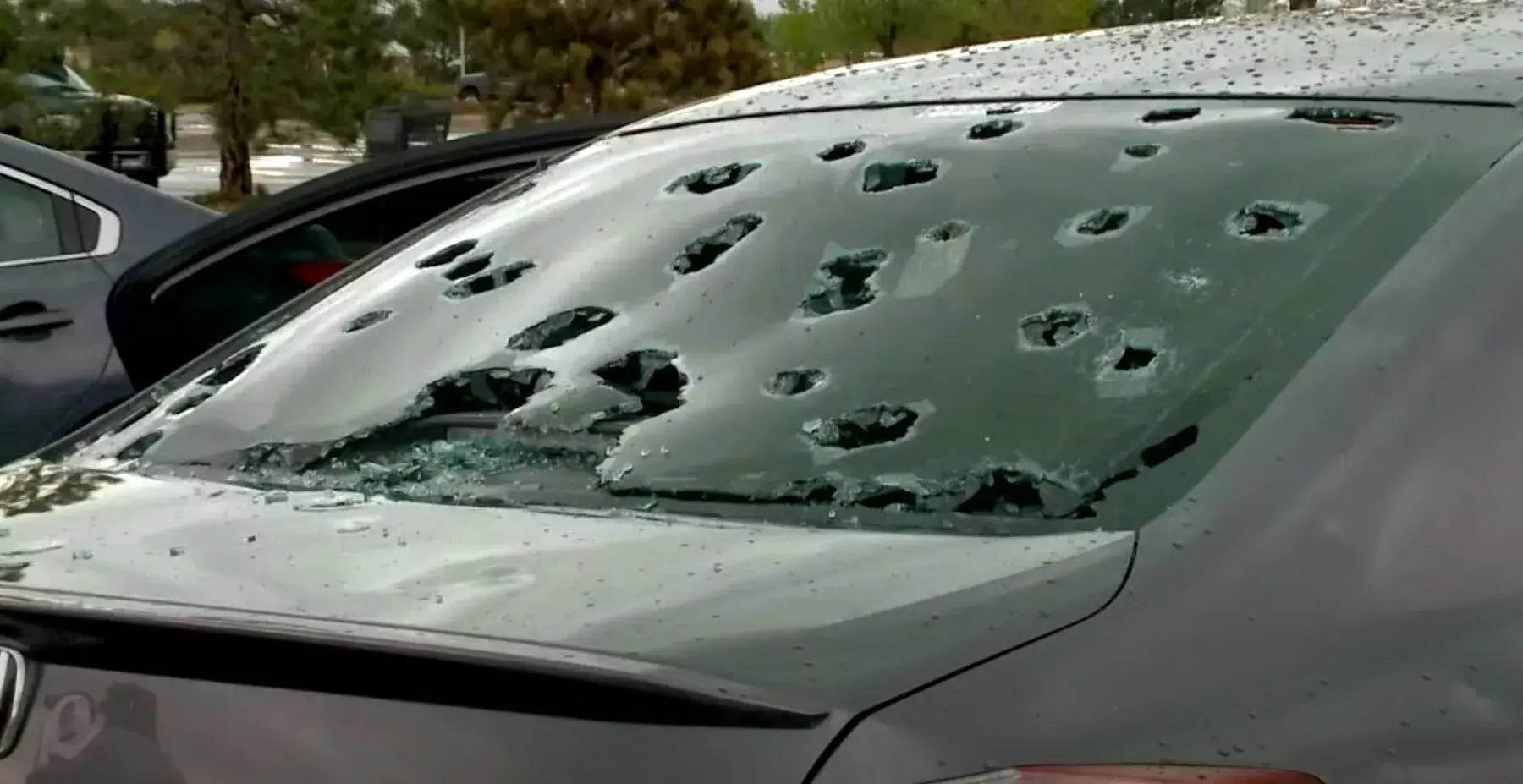
A commercial building under falling hail, illustrating a Colorado storm damage claim
Property damage

Colorado hail and wind claims: the seven fights that decide the number

Nobody disputes that the storm happened. The money is decided by seven narrower arguments, and most policyholders never find out they were having six of them.

Read the guide

No fee unless we recover

Schedule your free policy review today.

Send us the policy and the letter your insurer sent. We will read both and tell you honestly what we see — at no cost and with no obligation.